July is one of the most dependable months in Amboseli‘s calendar. It sits at the start of the dry season’s core period, when the long rains have cleared, vegetation has opened up, wildlife concentrates around permanent water, and Kilimanjaro is reliably visible on clear mornings. For first-time visitors and travellers who want a high-confidence Amboseli safari, July is one of the safest months to choose.
Weather in July
July is firmly dry. Rainfall is minimal. Mornings are cool — the first hour before sunrise on an open game drive vehicle can be genuinely cold, particularly in July when temperatures at night can drop to around 14 to 16 degrees Celsius. Days warm quickly and are sunny and bright.
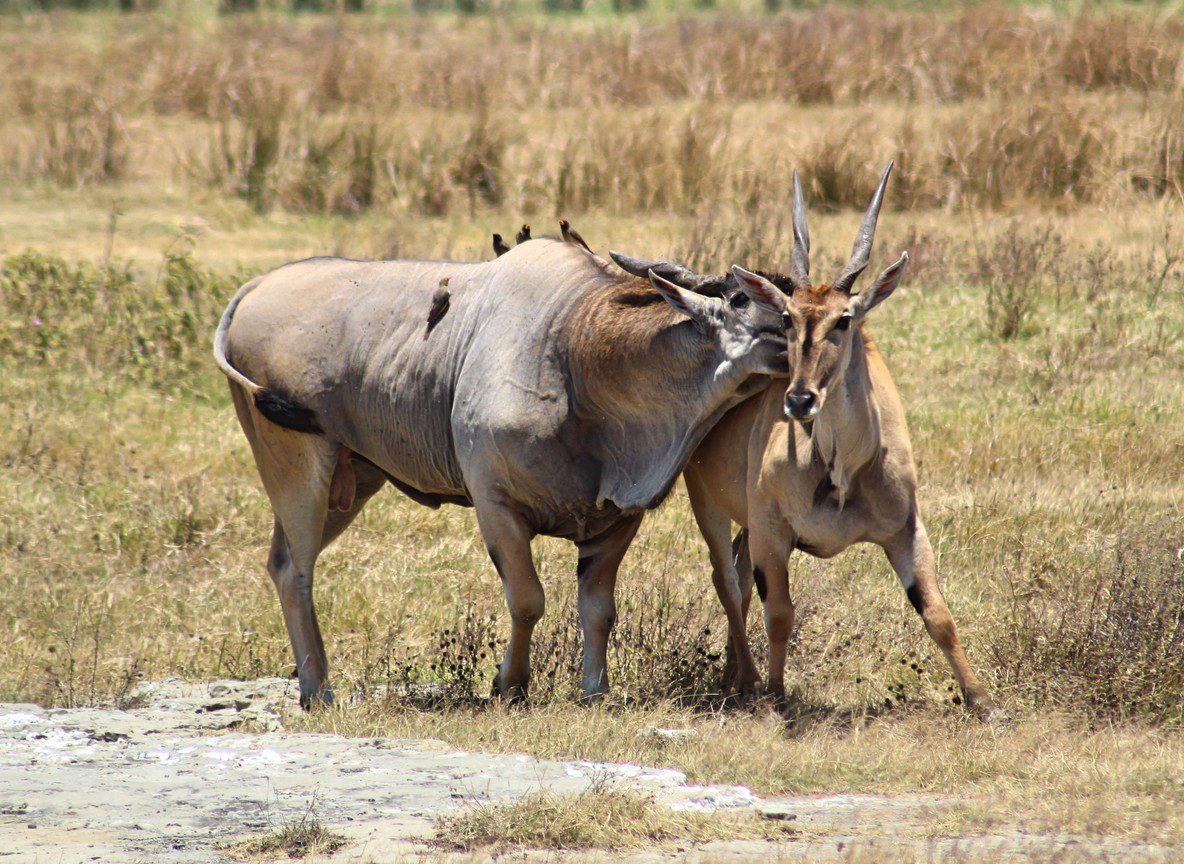
The vegetation is progressively drying by July — less green than January or March, but not yet at the stark dusty dryness of September. The plains are open, visibility is clear, and the swamp systems stand out against the dry surrounding grassland as the main focal points for wildlife.
Wind can occasionally be a feature of July afternoons, producing dust on exposed tracks.
Wildlife in July
July is excellent across all wildlife categories.
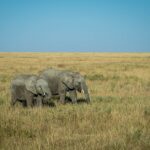
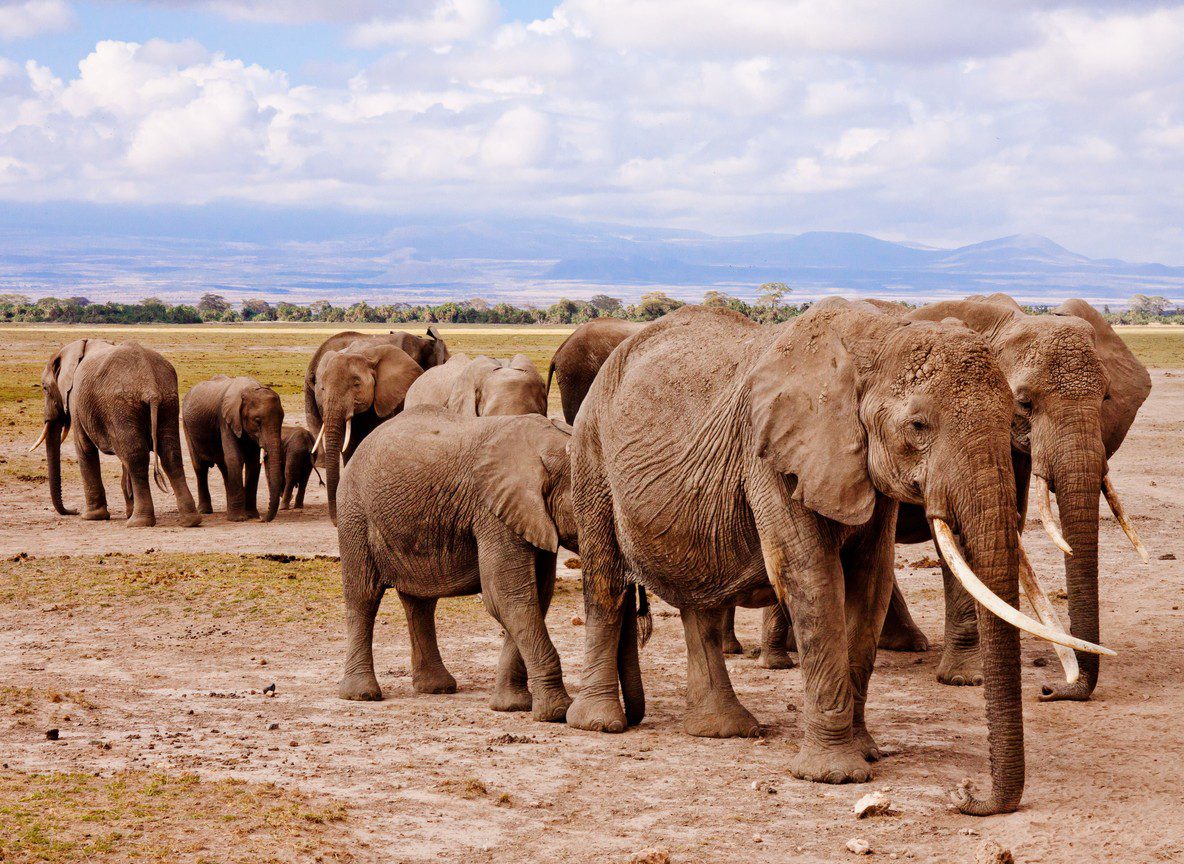
Elephants: The dry conditions and reliable water at Enkongo Narok and Longinye swamps concentrate herds in predictable locations. Large breeding herds — forty to eighty individuals — are regularly encountered on the swamp margins and crossing the adjacent grassland. The open terrain and shorter grass mean these encounters are visually unobstructed.
Big cats: July is one of the best months for predator searches. The short, dry vegetation reduces cover and makes locating lions and cheetahs significantly easier than in the greener months. Lions on the swamp margins and cheetahs on the open grassland are both regularly found in July game drives.
Buffalo: Large herds gather around the permanent water, particularly in the early morning and late afternoon.
Birds: Resident species are all present. The Palearctic migrants that were present November through April have departed by July, so the species count is lower than in the rainy season. The wetland bird community — herons, egrets, storks, ibis, jacanas — is strong and highly visible in the clear dry-season conditions.
Kilimanjaro Views in July
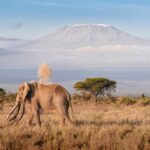
July is one of the two or three strongest months in the entire calendar for Kilimanjaro visibility. The dry atmospheric conditions, low humidity, and absence of convective cloud in the early morning combine to produce the clearest possible mountain views.
In a typical July stay, the mountain is clearly visible on most mornings. Clear summit reveals at dawn — with the snow cap catching the first pink light above the dark plains — are the defining Amboseli image, and July is when this is most consistently achievable.
The essential rule remains: be on the vehicle before 6am. Kilimanjaro clarity is best in the first 60 to 90 minutes of morning light before cloud builds at altitude.
July for First-Time Visitors
July is the classic first-time Amboseli recommendation, and with good reason. The combination of reliable elephants, excellent predator conditions, high Kilimanjaro visibility, and straightforward planning creates a park experience that consistently matches what first-time visitors imagined Amboseli would be.
The trade-off is that July is a peak-demand month. Camp rates are at or near their annual high. Popular properties book months in advance, particularly for school-holiday periods. Booking at least four to six months ahead for July is standard — leaving it later risks losing preferred camps.
July vs June: Which Is Better?
Both months are in the dry-season window and deliver similar wildlife quality. The distinctions:
June carries slightly less demand, typically offers better rates, and has the advantage of being less psychologically “peak” without a meaningful drop in actual safari quality. For value-conscious travellers with flexibility, June is often the smarter choice.
July carries more demand and slightly higher rates but also more certainty and less planning risk. For first-time visitors who want the most obvious answer, or families fitting school holidays, July is the natural choice.
The practical quality gap between the two months is small. The price and availability difference can be more significant.
Daily Drive Structure in July
July rewards disciplined timing. The standard pattern:
- Depart before 6am: the gate opens at 6am and the dawn window is the most productive period for both Kilimanjaro views and predator activity
- First two hours: Kilimanjaro photography and active predator circuits on the open plains and swamp margins
- Mid-morning: large elephant herds begin gathering at the swamp edges in the warming day
- Midday rest: 11am to 3pm — the light is harsh and wildlife is resting
- Afternoon drive from 3:30-4pm: elephant activity intensifies again, golden-hour light from about 5pm onward
This structure is consistent across all dry-season months but is most reliably deliverable in July when the park’s conditions are at their most predictable.
How Many Nights in July
Two nights is the minimum workable July safari. Two mornings give two shots at the dawn Kilimanjaro window, and two afternoons cover the main elephant concentration periods. For travellers who are adding Amboseli to a broader Kenya circuit, two nights in July is a productive and satisfying stop.
Three nights is the recommended structure for travellers who want a more complete experience. Three mornings significantly improves Kilimanjaro odds and provides more time to stay with large elephant encounters rather than moving on.
Four nights suits photographers and travellers for whom the pace of the safari matters as much as the number of sightings.
July at a Glance
| Factor | July Conditions |
|---|---|
| Rainfall | Minimal |
| Wildlife visibility | Excellent — open terrain, concentrated wildlife |
| Kilimanjaro views | Among the best of the year |
| Road conditions | Firm, excellent |
| Crowd levels | High — peak demand |
| Best for | First-time visitors, families, photographers, couples |
| Main consideration | Book 4-6 months ahead for preferred camps |
For comparison with other months, see the Amboseli in August guide, the Amboseli in June guide, and the Amboseli animals month-by-month guide on Touring Insights.
Turn this reading into a real itinerary with help from a Kenya-based safari team.
Start Planning Your Safari